Alex, Kirstin, Claire, Nola Mae, Micah, Anna Jane
I’m excited to share with you a devotional my good friend Kirstin Newmaster wrote and shared at a women’s retreat.
I sent it ahead to a few friends to whet your appetite. First, their words.
“Kirstin’s words on confession were so powerful! In her brief talk she presented the need and benefits of confessing our sins to one another, using clear scriptural teaching and even a fun illustration, to encourage us to shine a light on the sin that we struggle with as we relate to one another. I found her words refreshing and freeing as I look at my own need to walk in the light.”
Carolyn Eden
“I very much appreciated the insights Kirstin shared regarding confession and our identity. Rather than viewing Christian maturity as being in control of my sin, Kirstin, explains that as a misunderstanding of maturity: it is not self-effort, rather sooner and sooner bringing my yuck into the light that is a mark of maturing spiritually. And, love is the marker of my growth.”
Diane McIntyre
“Kirstin offers a compelling reminder of the power of living in the light of Jesus with safe, trusted others. She doesn’t shy away from James’ insistent words regarding our need to confess our sins to one another, and gives us hope that it actually leads to our maturing and increases our love for one another. You may even want to read it more than once.” Kathy Lorimor
When Kirstin shared her words with me, I knew I wanted to share them with you. Thank you Kirstin for generously granting permission.
~~~~~~~~~~~~~~~~~~~~~~~~~~~~~~~~~~~~~~~~~~~~~~~~~~~~~~~~~~~~~~~~~~~~~~~~~~~~~~~~
Confession
Kirstin’s title
“Confess to one another that you may be healed.” James 5:16
I love this theme of “one another.” The phrase “one another” is used 100 times in the New Testament? God cares deeply about how we relate with each other!
Last night you looked at sharpening one another and the role that conflict plays in relationships. Conflict can destroy or perfect. Let’s not waste the opportunity to be impacted by and influence each other.
Today we’re going to look at confessing to one another. This is an act of bringing my yucky out into the light. And it’s not a one time deal. It’s something we’re going to do over and over in our lives.
To talk about confession, we’re going to talk about this concept of light. Living in the light. I want to show you a clip showing one creature’s response to light.
https://www.tiktok.com/@m.tothea.d.i/video/7050348443885194497
When I was a kid, I used to love making my dog chase the flashlight on the wall. It was hilarious! The dog never was going to catch the light. But did that stop the dog? Nope. The light just drove it crazy!!! It wanted to be in the light as much as possible. Usually he was trying to eat it.
I was going to show you a video of what a cockroach does when you turn the light on, but cockroaches give me the heebie jeebies. Suffice it to say, cockroaches are nocturnal so you turn a light on and they go running for the dark!
Which are you attracted to: darkness, or light?
Let’s look at 3 passages of scripture. One at the beginning of the Bible; one kind of in the middle, and one toward the end. Let’s start at the end.
1 John 1:5 says “God is light, and in him is no darkness at all.”
There is no hiding for God. When something is in the light, it can be seen. It can be known.
In the first chapter of the Bible, light is the first thing God creates. It’s the first thing that God calls “good.” Then He created people in His image. Part of the implications of that is that we are made to thrive in the light. Especially community. Our relationships are made to thrive when we are honest & known.
I see this both in 1 John and Genesis. 1 John 1:7 says our fellowship is directly related to being honest and known: “If we walk in the light, as he is in the light, we have fellowship with one another, and the blood of Jesus his Son cleanses us from all sin.”
In Genesis 2:25 we see a relationship that’s in the light. Adam and Eve were both naked and unashamed, kind of like that baby in the video. Oh how I long for the freedom to be unashamed like that. That’s how we were made to be. Seen and unashamed. Known and loved. I ache for that, to be fully known and fully loved. But what happened? Sin came into the picture and ruined their experience of the light. It drives to hiding. Hiding happened when they first experienced shame — the concept that something is bad about me and I need to hide. If it was known, I would not be loved.
And John 3 makes a really devastating observation. “and this is the judgment: the light has come into the world, and people loved the darkness rather than the light because their works were evil.” v. 19
We prefer to hide and wallow in our sin. That is always driven by shame and sometimes by fear.
What keeps me hiding in the darkness?
- If I was known, I wouldn’t be loved.
- I should be in control of my sin.
- My sin is tied to who I am.
These lies are a misunderstanding of what defines my identity and maturity.
IDENTITY – In order to confess my sin and bring it to the light, I need to know, deep down, that my behavior no longer defines who I am. That’s why in the same chapter Jesus says, “For God did not send his Son into the world to condemn the world, but in order that the world might be saved through him. Whoever believes in him is not condemned.” John 3:17,18
Condemnation is to have my identity based on what I do or don’t do. In general that’s how the world works! Someone who steals is identified as a thief. Someone who teaches is identified as a teacher. Someone who fails is now a failure. But in Jesus, our behavior is no longer evidence of our identity. This is a big deal! This really matters when it comes to dealing with our sin, bringing it to the light so that we can experience the healing, fellowship, and goodness that God says the light is!
Who does God say you are? A SAINT! He says you are righteous. He says you are precious and with great value.
This is your evidence for who you are, not your sins. Sin is evidence that you’re human, that you need others. It’s an opportunity for you to experience love through humility and trust.
HUMILITY – As I believe this concept that my sins no longer define who I am, I will begin to trust God and others with me. That is a really good definition of humility, trusting God and others with me. And as I believe that my sin no longer defines me, it will free me to admit it to God and others sooner and sooner when I am tempted.
Confession is an act of humility. It is trusting who I really am on the inside and what I am tempted to believe about myself with another and with God. When I bring even my yuck to the light, that’s confession.
James 5:16 says what to expect when we confess, “Confess your sins to one another and pray for each other that you may be healed.”
Sin is a damaging force. It requires healing! When I confess sins I’ve done or want to do I am opening myself up to you, trusting you, so you can know me, love me, and help me heal. You can pray for me. You can help me identify the shame that is triggered in me that gives me permission to sin, because that shame is what I really need healing from.
So, that knocks off that lie that my sin is connected to who I am. But there’s also this lie that I should be in control of my sin by now. And that’s a misunderstanding of maturity.
Typically a misunderstanding of the verse in 1 Corinthians 10:13, “No temptation has overtaken you that is not common to man. God is faithful, and he will not let you be tempted beyond your ability, but with the temptation he will also provide the way of escape, that you may be able to endure it.”
Self-effort is NEVER the way of escape. You know what is? Confession. Choosing – at any point in the shame cycle – to shine light on it.
MATURITY – What if sinning less wasn’t a marker of my spiritual maturity? What if confessing it sooner is? Sin isn’t a three step process. I typically think of sin as “temptation, sin, repentance.” But it’s a whole lot more complicated.
First it starts to grow as an option in your mind. Then it starts to feed into your shame, lies about who you are. It starts to promise good for you, that it would offer a solution for your shame.
But after the sin act you start to feel the need to hide, to justify, to blame. Ultimately it reinforces the lie you were believing to be true about yourself.
So if we don’t deal with the shame and the lie I am believing, the sin keeps coming up over and over. It’s so hard to repent of habitual sin. We think, “I’ve already dealt with this! Have I not grown at all? I must really be _______.” That’s why self-effort is not the way of escape. It only reinforces our shame story.
But God doesn’t say that the marker of maturity is sinlessness. “By this all men will know you are my disciples – by how you love one another.” John 13:35.
Love is the marker of my growth, not sinning less. So if instead of fearing confessing sin once again, I celebrated every time I brought sin to the light one step sooner than last time. Because that act of humility, trusting someone else with me, is an act of love. An act of maturity.
When you think of maturity, think of the sound of clicking on a flashlight. Let it remind you of humility, confessing shame, confessing sin. Choosing to click on the light is not marker that I’m messed up and struggling once again — it’s a marker that I’m growing! I’m choosing to come into the light ASAP! Celebrate that.
Remember those three lies that were keeping me in the darkness:
- If I was known, I wouldn’t be loved. 1 John 1:7 – Fellowship happens in the light – you cannot be loved without being known.
- I should be in control of my sin. John 13:35 When you think you are in control of your sin, sin is in control of you. Maturity isn’t sinning less but loving more.
- My sin is tied to who I am. John 3:17 No condemnation in Jesus! Sin is not the evidence God looks at to define you.
What are you going to find when you turn on the light? 1 John 1:7 says you will find healing and love.
What does this look like for you? What do you fear you will find when you turn this light on and tell someone the truth about you? Possibly it is one of the three things I mentioned.
When you click on this light, what comes to mind? Is there a sin you need to shine light on? A lie you are believing?
Flashlight verses:
James 5:16
1 John 1:7
John 13:35
I encourage you — find someone you trust and practice clicking this light on. Share a sin that you struggle with. Ask them to pray for you and to help you identify what it is about yourself that you are believing, that is triggering this sin.
Remember, confessing our sins is not a step back in your maturity, it is a step forward. Even if you’ve confessed this sin before. Because choosing to trust and be known is an act of humility and love.
~~~~~~~~~~~~~~~~~~~~~~~~~~~~~~~~~~~~~~~~~~~~~~~~~~~~~~~~~~~~~~~~~~~~~~~~~~~~~~~~
What thoughts are swirling in your mind? For those who share in the comments, I’m sending you a little flashlight. We all need reminders.
Have you signed up to follow Echoes of Grace? Those who sign up receive an email from me a few days after the posts usually taking the subject a bit deeper. This week I’m sharing how Kirstin’s words ministered personally to me.
Sue
Copyright: Kirstin Newmaster and Sue Tell, April 2023


 “
“


 Elizabeth was “advanced in years”, Luke 1:7; “in her old age”, Luke 1:36. Elizabeth was well beyond the time of child bearing; she was an old lady when she conceived John.


 But
But  Early hikers dwarfed by the tall evergreens offered perspective to the greatness of God.


 I was out to breakfast last December with my 12 year old GRAND-daughter, Naomi Ruth. Can you guess what her favorite book of the Bible is? The narrative of Ruth recorded for us in the Old Testament is one of my favorites as well.





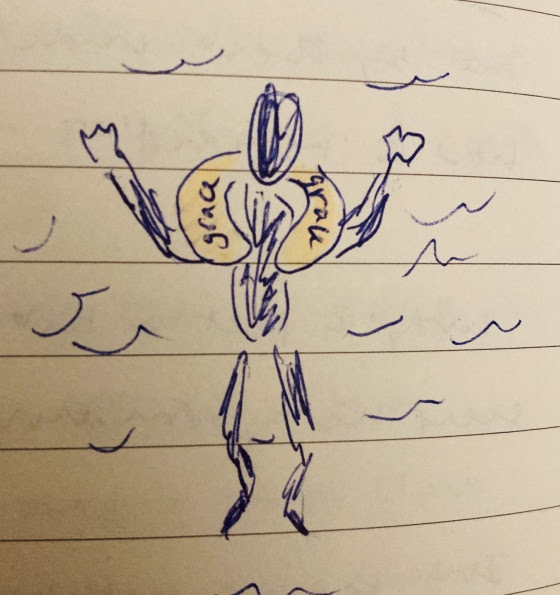

 Earlier this week, Sonja and were talking about our love of flowers. When our husbands show up with bouquets (thank you Valentine’s Day), we care for them. We diligently trim the stems; we give them fresh water; we feed them with those tiny fertilizer packets. And we enjoy them for a time. But their time is short; there are no roots; nothing to keep them nourished and growing; they are not planted.


 The 19th century tale of Hansel and Gretel tells the story of two impoverished siblings who are cast out into the forest and have the foresight to lay crumbs of bread along the way to mark the path back home. In the original German fairy tale, home was not a safe place, and nor was the forest. The breadcrumbs were eaten by birds and the children ended up almost being eaten themselves. Good comes in the end, though, as the children are reunited with their loving father, and those with ill-intent towards them are vanquished.



 Christmas is less than three weeks away. Christmas, the celebration of the birth of Jesus. And in our culture, we celebrate. Special church services, decorations, parties, family gatherings, gifts, cookies to be made — all requiring preparations, lots of preparations … all crammed between Thanksgiving and Christmas.


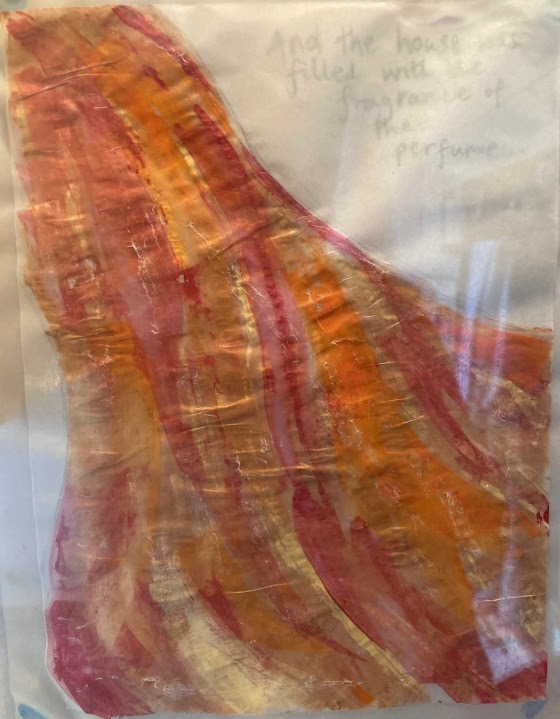


 First a Surprise


 Charles Haddon Spurgeon


 Saturday morning brought a major snow storm to our neighborhood. By the end of the day there was 14″ of heavy white snow blanketing our yard, our driveway, the trees, and everything else outside. It was beautiful … but …


 When a scripture … one I’ve not noticed before pops up in your reading twice in one week, you (I) pay attention!

 Our son made the journey from my womb to my arms. His loud cries quieted as the nurse placed his tiny body on my chest. Once again he heard the beating of my familiar heart. Love swelled.
 Two thousand years ago, Mary also gave birth to a tiny boy, her human experience significantly different from mine. Luke 1:31-33.


 Often as I read, listen to, and pray over my open Bible, God brings a story to mind.




 This piece of Snoppy wisdom was intriguing to me. I liked it. It encouraged. It led me to some research. It is a myth!


 We also saw many of the finished products. One beautiful blue carpet was laid out before us, the azure blue anchoring the pattern. Then the men in the shop turned the carpet 180 degrees. The blue now looked navy. We ooh-ed and aah-ed.
 I sometimes requested the same from our kids when I wanted their attention … look at me.
  As I fell into bed last Saturday night, my commentary to myself was, its been a good day … well except for that bowl that tumbled off the top shelf and landed on my head. Ouch! But no laceration; no bump; yes a minor headache. I continued my fall decorating.


 Can it be that God reminds us of his abundant power with just one word — one seemingly inconsequential word in the story of Moses, a common everyday shepherd?
 It started with a sermon. Our pastor pointed us to Isaiah 11:1-9. Verse 9 reads in part, “… for the earth shall be full of knowledge of the LORD…” The word knowledge stood out. I thought about II Peter 3:18, “But grow in the grace and knowledge of our Lord and Savior Jesus Christ.”
 A simple and profound lesson!


 Our good friends were students in our ministry at the University of Illinois. We were surprised when their friendship turned into a dating relationship. They seemed so different. We were very skeptical.
 morning chapel service.
 Watching the Jesus Revolution surfaced many memories for us. The true story is set in the early 1970s in the Hippie movement that broke out in California. The phrase Jesus Revolution was coined by a front page article in Time Magazine.*****
 The churches were packed. The Holy Spirit was moving mightily across the campus. We were living in the midst of something that was far bigger than us. Was this a revival?
 *****Time Magazine cover article, June 21, 1971.


 “Inasmuch as many have undertaken to compile a narrative


 her honor. One of her hobbies was painting rocks. I knew right away, I wanted a painted rock to help me remember the truth we often reminded each other of in her last months here, “I have loved you with an everlasting love”. Jeremiah 31:3. (Our grandchildren painted the two rocks picturing the nativity.) The Jeremiah rock sits in a prominent place in our living room all year.


 University of Connecticut (UConn). The late autumn days were chilly, the breezes were quiet, the sky was blue, the trees already dormant. I donned a heavy jacket (borrowed from our host), wrapped myself in a blanket, poured a cup of hot coffee, grabbed my journal and Bible and headed to their front porch. I sat. I stared at the beautiful New England countryside. Rock walls surround all the properties. In the middle of our travel those two mornings, the rocks reminded and were a gift from God.

 My husband and I were reviewing the last hour — the Sunday school class (our community as our church calls it) that he teaches with about twenty 20-somethings. We sit in a large circle to make conversation easier. But last Sunday the group was unusually quiet. I had thoughts.


 I left realizing


 )
)


 Thank you Larry Lorimor.




 The Bible records over 3000 questions starting with the serpent, did God really say …? Jesus alone asked over 300 questions; many never answered … at least in the written text. But I wonder, did his questions lead the hearers to an answer; or maybe to listen for the voice of God?


 In January we took a two-week island vacation. My computer stayed home; even my cell phone was quiet with the exception of its camera. Every morning I sat outside with my Bible and my journal, lingering with God. Listening to the sounds of creation, experiencing the warm breeze, loving the view. I especially loved spotting a Bananaquit several different times.
 Something different from Echoes of Grace this week. My friend Janet Newberry was a guest on the weekly Trueface podcast last month. It just might be the best 30 minute investment you make in your day today.

 My Aunt Pat walked into heaven two weeks ago on May 10th.


 Colorado beauty is different from northern NJ beauty where Mom lived. Our majestic (still snow covered) mountains, the deep green of the pines and other evergreens, the delicate green leaves of the Aspens in the summer, and their gold leaves in the fall capture my heart as well.


 Bill and I are experiencing great sorrow this week. Our Golden Retriever, Lexie, was euthanized. Her cancer became more than she could bear; more than we wanted for her to bear. It brought inordinate sorrow into our home, into our lives. We miss her lots.
 First the confession. Reading Kendra’s words on her
  ovid-19 keeping many of us home with the opportunity to spring clean. There was time to look around and notice — notice the many things that no longer served the way I wanted our home to look or the practical purposes of every-day life. In some cases I wondered, what is this gadget for? I began to sort. I was on a mission …
 teen-aged GRANDS. We meet by zoom and concentrate on one verse per month. It’s a combination of Bible memory, Bible study, and Quiet time. Our verse for March is John 1:12. In April it will be Psalm 119:105.

 Knowing that I think much about rest, my friend Joyce texted me this scripture. Immediately I recorded it in my journal and began praying over its truth, especially the first line. As a believer and beloved of the Lord, I knew that these words were for me as much as they were for Benjamin 3000-ish years ago.


 “Stories are the most prominent biblical way of helping us see ourselves in ‘God’s story’,” Eugene Peterson.


 deeply. God’s path is joyful and offers pleasures forevermore. God gives the light of life. Psalm 23 tells me that God leads me in the path of righteousness.
 Gradually, slowly, like the sunrise at dawn, there was a dawning in my heart. The sacred that Christmas celebrated became for me the truth of Christmas. More than the love I experienced as a baby, I now experienced a new love, a deeper love, an everlasting love, a love accompanied by purpose.


 In my former life I taught 3rd grade by day and was involved in campus ministry at Western Michigan University by night.


 These well-known words penned by David continue to offer hope, comfort and much more in the midst of the unknowns 2020 has given us. David, a shepherd, recognized that God, the LORD was his shepherd and his model for caring for the sheep, for their thriving.
 Even though I walk through the valley of the shadow of death, I will fear no evil,


 I want my life to be fruitful.


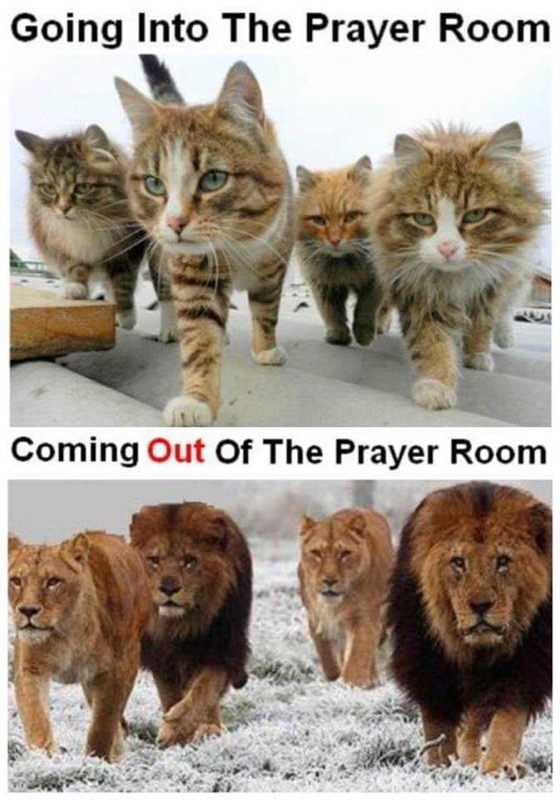






















 Last summer I sat at Dunkin’ Donuts, enjoying my mint iced tea and the company of seven collegiate women leaders.





















 If you didn’t get a chance to read my first post about building my ark, click